
How to Clean Electric Grills: Expert Guide for the Napoleon Rogue EQ Connected 220V-240V and All Electric Models
April 5, 2026
Written by Matthew Brunken, Owner of Husker Grill Cleaning and Founder of the American Grill Service Institute (AGSI)
As the owner of Husker Grill Cleaning in Nebraska and the founder of the American Grill Service Institute, I’ve cleaned thousands of grills—gas, charcoal, pellet, and especially electric models like the Napoleon Rogue EQ Connected. Electric grills are surging in popularity for their convenience, precise temperature control, smart app connectivity, and clean-burning performance without propane tanks or messy charcoal. But here’s the truth many owners overlook: how to clean electric grills properly is the single biggest factor in keeping them safe, efficient, and delivering restaurant-quality results for years.
Neglect cleaning, and you risk grease fires, uneven heating, off-flavors in your food, and even voided warranties. In my professional experience certifying grill technicians through AGSI and servicing homes across Lincoln and Omaha, I’ve seen electric grills that look brand-new after proper care—and others that fail prematurely from built-up residue. This comprehensive guide walks you through everything: why it matters, tools you need, step-by-step methods, model-specific instructions for the Napoleon Rogue EQ Connected 220V-240V Electric Grill, deep-cleaning nuances, common pitfalls, and when to call in the pros. Whether you’re a weekend warrior or a daily griller, these electric grill cleaning tips will extend your investment’s life while protecting your family.
### Why Regular Cleaning of Electric Grills Matters More Than You Think
Electric grills operate differently from traditional models—no open flames means less visible smoke but still plenty of grease, drippings, and carbonized bits that accumulate on grids, drip trays, burners, and interiors. Over time, this buildup leads to several issues:
- Safety risks: Grease fires are a top hazard. Even without gas, accumulated fats can ignite at high temperatures. Regular cleaning prevents flare-ups and reduces fire danger.
- Performance and efficiency: Residue insulates heating elements, causing uneven cooking, longer preheat times, and higher electricity use. A clean Napoleon Rogue EQ hits its 750°F Clean mode peak efficiently.
- Food flavor and health: Old grease transfers rancid tastes and potentially harmful compounds. Clean surfaces mean better searing and safer meals.
- Longevity and warranty: Manufacturers like Napoleon design for regular maintenance. Skipping it can crack elements (from thermal shock) or void coverage.
- Environmental and cost implications: Proper care reduces replacement frequency, cutting waste and saving hundreds on new units.
From a business angle at Husker Grill Cleaning, clients who clean monthly report 2–3x longer grill life. Edge case: Apartment dwellers with small electric grills face faster buildup due to frequent use in limited space—cleaning becomes non-negotiable.
### Understanding the Napoleon Rogue EQ Connected 220V-240V Electric Grill
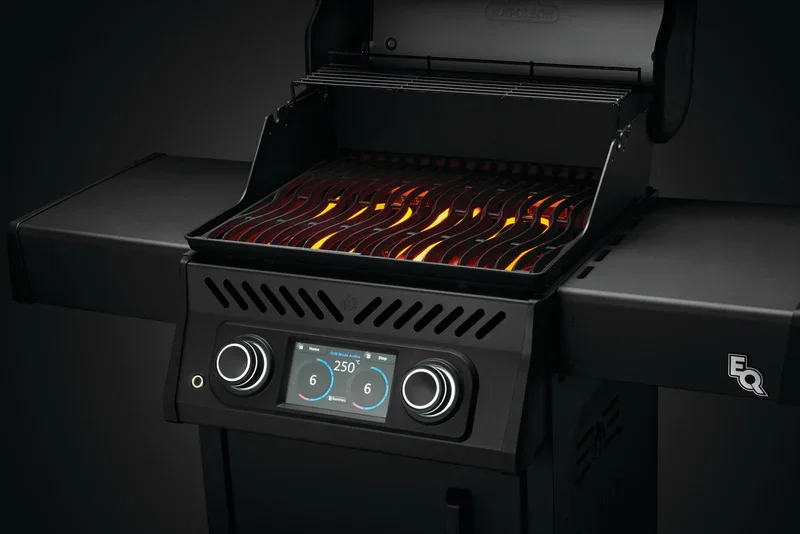
The Napoleon Rogue EQ Connected stands out with its 365-square-inch cooking area, WAVE™ cast iron grids for perfect sear marks, dual electric burners reaching high temps, integrated smoker box, and Bluetooth/Wi-Fi app control for remote monitoring. It runs on 220V-240V with a 50-amp NEMA 14-50A outlet—powerful but requiring specific electrical precautions during cleaning.
This model’s “Clean mode” is a game-changer for busy owners. It auto-burns residues at up to 750°F (400°C), making post-cook maintenance easier than manual scrubbing alone. However, its smart features and porcelain/stainless components demand gentle, non-abrasive care to avoid scratches or electrical damage. In my AGSI training sessions, I emphasize that understanding your specific electric grill model prevents 80% of DIY mistakes.
### Essential Tools and Supplies for Cleaning Electric Grills
Gather these before starting—no need for harsh chemicals that could damage surfaces or leave residues:
- Soft brass or stainless-steel grill brush (model-specific: brass for cast iron, stainless for stainless grids).
- Microfiber cloths and non-abrasive sponges.
- Mild dish soap or grill-safe degreaser (diluted).
- High smoke-point oil (canola, grapeseed) for seasoning cast iron.
- Plastic scraper or putty knife for drip trays.
- Disposable gloves and safety glasses.
- Warm water bucket.
- Optional: Silicone brush for oiling, vacuum with brush attachment for loose debris.
Pro tip from Husker Grill Cleaning: Avoid steel wool, abrasive pads, oven cleaners on porcelain, pressure washers, or submerging electrical parts. These are common warranty killers.
### Safety First: Key Precautions Before Cleaning Any Electric Grill
Electric grills introduce unique hazards versus gas models—live 220V-240V components mean always unplug and confirm the unit is cool (at least 30–60 minutes post-use). Use a GFCI-protected outlet. Never spray water directly on heating elements or controls; steam or moisture can cause cracks or shorts. Wear protection, keep kids/pets away, and work in a well-ventilated area. For connected models like the Rogue EQ, ensure the app shows “off” and power is fully disconnected.
Nuance: In humid climates or coastal areas (though less common in Nebraska), salt air accelerates corrosion—clean exterior stainless weekly with soapy water.
### How to Clean Electric Grills: Quick After-Use Routine
For daily maintenance (recommended after every cook):
1. Unplug and let cool completely.
2. Brush grids while slightly warm (not hot) to loosen residue—use appropriate brush.
3. Wipe interior and lid with damp cloth.
4. Empty and wash drip tray/grease catcher with hot soapy water.
5. For the Napoleon Rogue EQ: Run Clean mode (10–30 minutes) if heavy use—remove accessories first, select via display, start, then brush grids post-cycle.
This 10-minute habit prevents 90% of deep-clean needs.
### Deep Cleaning Electric Grills: Full Step-by-Step Guide
For monthly or seasonal deep cleans:
1. Prepare: Unplug, cool fully, remove grids, warming rack, smoker box (if applicable).
2. Grids: Hand-wash with mild soap (no dishwasher initially). For cast iron (like Rogue EQ WAVE grids): Dry thoroughly, apply thin oil layer, preheat to 350–400°F for 30 minutes, repeat. Season every 3–4 uses.
3. Interior and Burners: Brush debris into drip tray (never brush electric elements directly). Wipe with damp cloth. Use Clean mode for burn-off.
4. Drip Tray/Grease Management: Scrape, wash, replace liners every 2–4 weeks. Critical for fire prevention.
5. Exterior and Controls: Wipe with non-abrasive cleaner along grain. For display: Dry microfiber only.
6. Reassemble dry: Ensure all parts are bone-dry before reinstalling.
7. Test: Plug in, run low heat 10 minutes to evaporate moisture.
Model-specific for Napoleon Rogue EQ Connected: After Clean mode, brush grids (stainless brush if equipped, brass for cast iron). Do not wipe burners. Season grids per manual to prevent rust. Clean base liner without abrasives on porcelain.
Edge case: Heavily rusted cast iron? Scour gently with brass brush, re-season fully—recoverable in most cases.
### Advanced Tips: Seasoning, Storage, and Long-Term Electric Grill Care
Cast iron grids thrive with seasoning—it creates a natural non-stick layer. Implications: Better heat retention, less sticking, easier future cleans. Store your grill covered indoors or with a breathable cover when not in use. For connected models, update firmware via app for optimal performance monitoring. Annual professional inspection (what we provide at Husker) catches wiring issues or element wear early.
Related consideration: Electric grills excel in apartments or no-gas zones but require consistent 220V power—factor cleaning into your electrical safety routine.
### Common Mistakes to Avoid When Cleaning Electric Grills
- Cleaning while hot or plugged in → Burns or shocks.
- Using abrasives/steel wool → Scratches that lead to rust.
- Submerging elements or using pressure washers → Cracked components, warranty void.
- Ignoring drip tray → Grease fires (seen this too often in service calls).
- Skipping seasoning on cast iron → Corrosion and poor performance.
- Harsh chemicals → Residue affecting food safety.
From AGSI certification: These errors account for most repair calls we handle.
### When to Hire Professional Electric Grill Cleaning Services
DIY works for light maintenance, but deep cleans or neglected grills benefit from pros. At Husker Grill Cleaning, we use commercial-grade, food-safe methods, restore like-new condition, and provide maintenance plans. We certify technicians nationwide via AGSI to elevate industry standards. If your grill has heavy buildup, unusual odors, or you want peace of mind before grilling season, book a service—saves time and extends life far beyond DIY.
### FAQs on How to Clean Electric Grills
How often should I clean my electric grill? After every use for quick wipe; deep clean monthly or every 10–15 uses. Napoleon recommends Clean mode regularly.
Can I put electric grill parts in the dishwasher? Grids sometimes (check manual—avoid for first use on Rogue EQ). Never electrical components.
Is it safe to use water on an electric grill? Only when fully unplugged and cool; wipe, never soak or spray elements.
What’s the best cleaner for Napoleon Rogue EQ? Mild dish soap and water; non-abrasive for surfaces.
Does cleaning affect the smart features? No—if done correctly (dry display, no moisture in controls).
### Final Thoughts: Make Cleaning Part of Your Grilling Ritual
Mastering how to clean electric grills—especially premium models like the Napoleon Rogue EQ Connected—transforms your outdoor cooking from good to exceptional. It’s not just maintenance; it’s an investment in safety, flavor, sustainability, and enjoyment. At Husker Grill Cleaning, we live this every day, helping Nebraska families (and beyond through AGSI) keep their grills performing at peak.
Ready for professional results without the hassle? Contact Husker Grill Cleaning today for expert service, or explore AGSI certification if you’re in the industry. Your grill—and your next steak—will thank you.